Thinking about a move to Alexandria, VA? Picture brick sidewalks, a waterfront trail along the Potomac, and quick access to Washington, DC. You want a clear sense of daily life, commute options, neighborhoods, and what housing looks like before you decide. This guide walks you through the feel of Alexandria so you can choose a neighborhood that fits your routine and goals. Let’s dive in.
Where Alexandria fits in the DMV
Alexandria is an independent city just south of Washington, DC, along the Potomac River. It sits within the Washington–Arlington–Alexandria metro area, so many residents work in federal agencies, government contracting, healthcare, and professional services. The climate is humid subtropical with hot summers, mild to cool winters, and pleasant spring and fall seasons. Parts of the city, including Old Town and nearby districts, follow historic preservation rules that shape renovations and new construction.
Neighborhoods at a glance
Alexandria is compact, but neighborhoods feel very different from one another. Walkability, housing types, and daily rhythms vary block by block.
Old Town
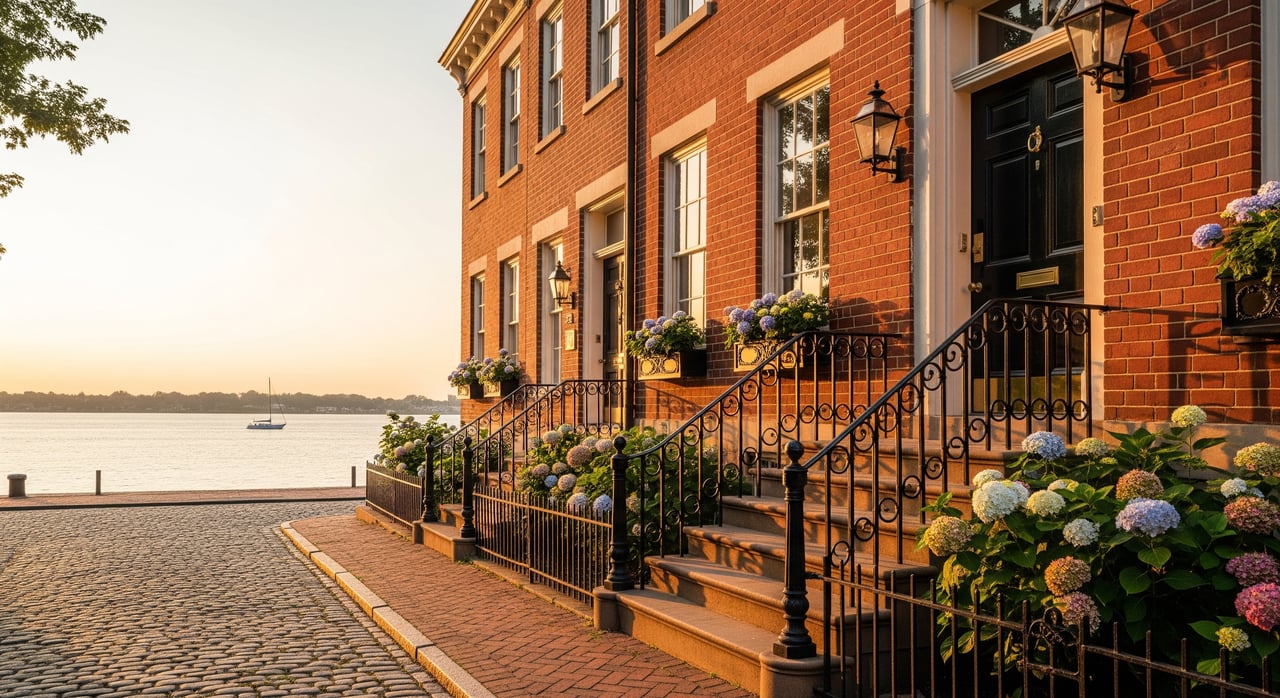
- Character: Alexandria’s historic core centered on King Street and the waterfront. You’ll find boutiques, restaurants, galleries, waterfront parks, and steady visitor energy.
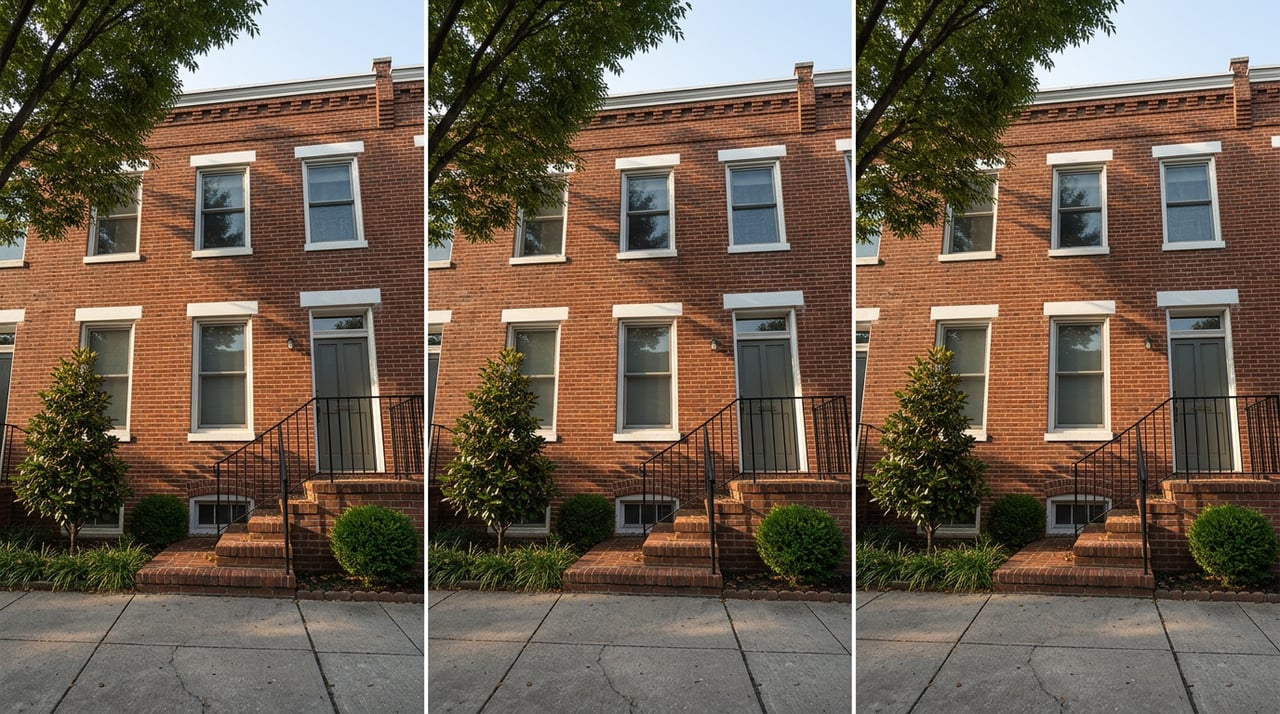
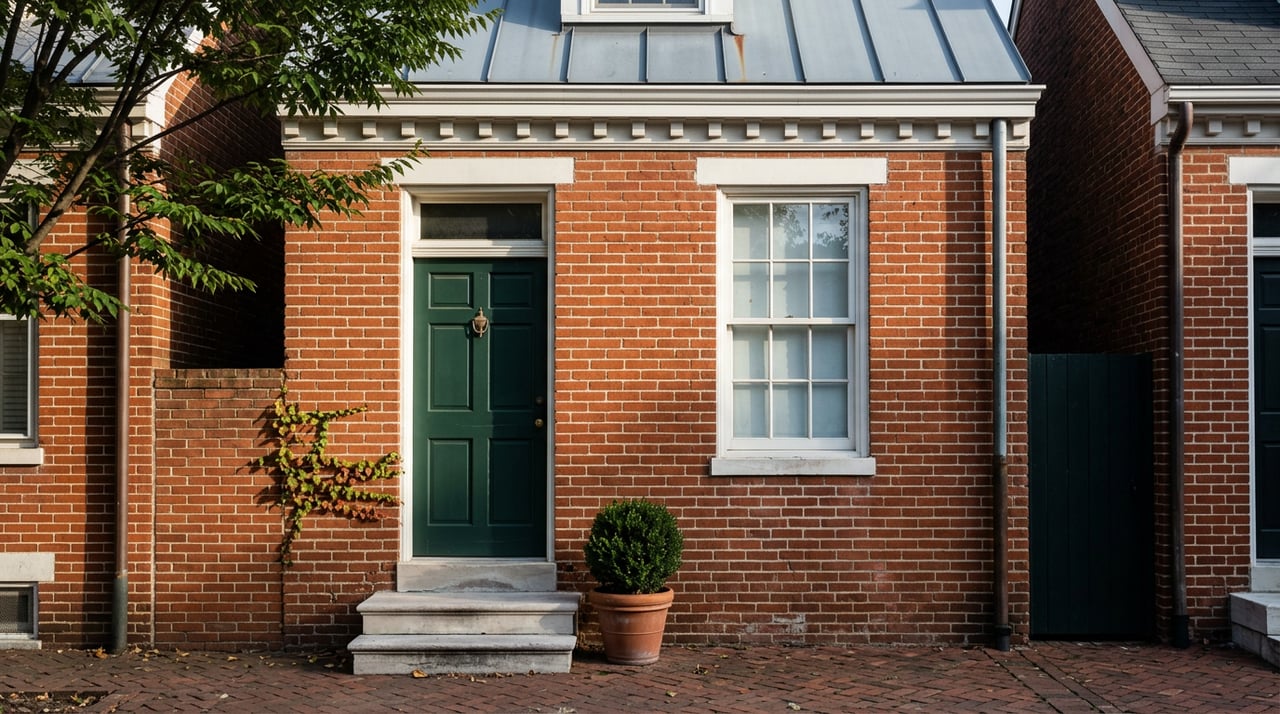
- Housing: Predominantly historic rowhouses and townhouses with some condos and smaller apartment buildings.
- Lifestyle: Highly walkable. Dining, cafés, and the river are within a short stroll, which appeals if you like a pedestrian lifestyle.
Del Ray and Rosemont
- Character: Village-like streets with independent shops and regular community events along Mount Vernon Avenue and nearby blocks.
- Housing: Early 20th-century bungalows, duplexes, and detached homes on smaller lots.
- Lifestyle: Community-oriented with a relaxed pace and convenient access to transit and Old Town.
Potomac Yard and Eisenhower East
- Character: Redeveloping corridors with modern mixed-use projects, retail, and offices.
- Housing: Newer condos and apartments, often with contemporary finishes and higher density.
- Lifestyle: Transit-oriented and convenient to shopping and rail, good if you prefer new construction.
West End and Landmark
- Character: More suburban in feel with larger shopping centers and a car-forward street pattern.
- Housing: A mix of larger single-family homes in some pockets, garden-style apartments, townhomes, and newer subdivisions.
- Lifestyle: More auto-dependent with comparatively more budget-flexible options than Old Town and Potomac Yard.
Cameron Station, Parker-Gray, Arlandria/Chirilagua
- Character: A mix of post-war and newer communities, small commercial corridors, and diverse local businesses.
- Housing: Townhouses, single-family homes, and apartment complexes, with ongoing reinvestment in some areas.
- Lifestyle: Varied block to block. Expect changing streetscapes in places with redevelopment pressure.
Housing types and what to expect
Alexandria’s housing stock ranges from historic brick rowhouses and early 20th-century detached homes to mid-century garden apartments and contemporary condos in redevelopment areas. Prices are above the national median and align with the broader DC-area market. Costs vary widely by neighborhood and property type. Old Town and Potomac Yard tend to command premiums, while parts of the West End and some northern pockets offer more affordability.
Many newcomers start with a rental to learn commute patterns and neighborhood fit before buying. If you plan to renovate, note that historic districts often require exterior design review and city permits. Interior updates are common, but it is smart to understand local rules early.
Getting around: Metro, roads, trails, and water
Alexandria is served by the Blue and Yellow Metrorail lines, with stations such as King Street–Old Town, Braddock Road, and Eisenhower Avenue nearby. Metrorail provides direct access to downtown DC and transfer points to other lines. Local DASH buses and regional Metrobus routes connect neighborhoods across the city.
Amtrak serves the Alexandria station near Old Town, and Virginia Railway Express offers commuter rail options with nearby stops. If you drive, you’ll use I-395, I-95, and the Capital Beltway. Congestion is common during peak hours, so plan accordingly. Typical commute times run about 25 to 40 minutes depending on your destination and mode.
For active transportation, the Mount Vernon Trail offers a continuous route for running and biking along the Potomac. Seasonal water taxi service connects the waterfront to destinations like National Harbor and certain DC piers.
Everyday life: parks, dining, arts, healthcare
You can spend weekends on the waterfront, at neighborhood parks, or cruising the Mount Vernon Trail. Old Town’s King Street corridor features restaurants, bars, and boutique shopping. Del Ray’s Mount Vernon Avenue hosts independent retailers and casual dining. Cultural highlights include the Torpedo Factory Art Center, local theaters, and frequent festivals and markets, including the weekly Old Town Farmers’ Market.
Healthcare access is convenient with Inova Alexandria Hospital and a range of local clinics. Proximity to major medical centers in Arlington and DC expands specialty care options.
Schools and research tips
Alexandria City Public Schools serves the city. School boundaries and programs are important considerations, so it is best to review ACPS boundary maps and available performance information for the specific addresses you’re considering. Private and parochial schools are also available in and around Alexandria, along with early childhood programs and preschools. Higher education is accessible via nearby community college campuses and DC-area universities.
Practical considerations before you move
- Cost of living and taxes: Overall costs are higher than national averages, driven largely by housing. Virginia state income tax applies, and the city levies property tax. Compare total monthly housing, commuting, and childcare costs to your budget.
- Parking and car ownership: Old Town has limited free parking and residential permit programs. Many multifamily buildings and HOAs have parking rules that affect daily convenience.
- Renovation and permitting: Historic districts and conservation overlays may require design reviews for exterior changes. Check city permitting requirements before planning work.
- Flooding and water: Some low-lying waterfront blocks are prone to occasional flooding during storms. Review flood maps and local mitigation projects if you are considering waterfront locations.
- Noise and traffic: Aircraft from Reagan National Airport may be audible in parts of the city, and major roads like I-395 and Duke Street can generate traffic noise. Visit potential homes at different times of day to gauge sound and traffic patterns.
- Access to DC and airports: A major advantage of Alexandria is its proximity to downtown DC and Reagan National Airport, which is helpful for frequent travelers.
How to choose your Alexandria fit
Use a simple plan to find the right neighborhood for your day-to-day life:
- Define your commute: List your likely destinations and preferred modes. Test both transit and driving during peak hours.
- Map daily routines: Identify grocery stores, parks, gyms, and clinics you expect to use. Walk the blocks to feel the street pattern and lighting.
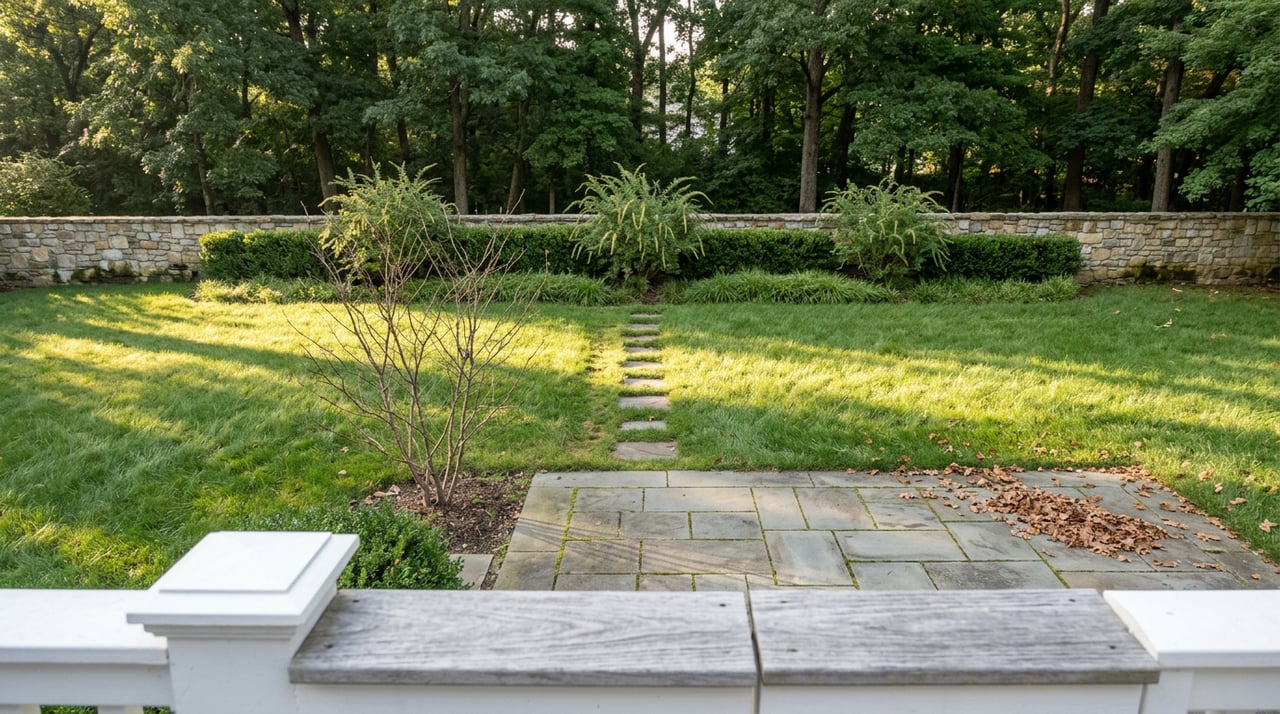
- Compare housing types: Decide whether you want historic charm, a newer condo, or a detached home with a yard. Factor in HOA/condo rules and renovation needs.
- Check practicalities: Review parking, noise, flood considerations, and any historic district design constraints.
- Visit at different times: Go on a weekday morning, a weekday evening, and a weekend afternoon to see traffic, activity levels, and parking conditions.
Ready to explore listings, compare neighborhoods, or plan a tour? Connect with the local team at YAMO Premier Properties LLC for responsive, neighborhood-level guidance. Get Your Free Market Report.
FAQs
Is Alexandria, VA walkable for everyday errands?
- It depends on the neighborhood. Old Town and parts of Del Ray are highly walkable, while many areas in the West End are more car-dependent for errands.
How long is the commute from Alexandria to downtown DC?
- Commutes often run 25 to 40 minutes depending on your start point and mode. Metrorail on the Blue/Yellow lines offers direct access to central DC.
What types of homes are common in Alexandria, VA?
- You’ll find historic rowhouses, early 20th-century detached homes, mid-century garden apartments, and newer condos and townhomes in redevelopment corridors.
Are there historic preservation rules I should know about?
- Yes. Old Town and several nearby districts have design review processes for exterior changes. Check local guidelines if you plan renovations.
What are popular areas for a neighborhood feel in Alexandria?
- Many residents look at Del Ray, Rosemont, and parts of Old Town for a village-like environment with local shops and community events.
What should I consider about parking and noise in Alexandria?
- Some areas have residential parking permits and limited on-street parking. Aircraft and major roads can add noise in parts of the city, so visit at different times to assess fit.