Curious what your Mount Vernon home is worth right now? You are not alone. With demand shaped by D.C.-area jobs, commuting patterns, and limited inventory, values here do not always follow national headlines. In this guide, you will learn what drives pricing in the Mount Vernon District of Fairfax County, how agents build accurate valuations, and the simple steps to get a custom price range for a 90-day listing window. Let’s dive in.
What drives value in Mount Vernon
Mount Vernon sits within the Washington–Arlington–Alexandria region, where proximity to D.C., federal and military employment, and key transportation corridors strongly influence demand. Market patterns here often differ from national trends. Local professionals rely on regional sources like Bright MLS and the Northern Virginia Association of Realtors for current insights on inventory and buyer activity.
Regional access and jobs
- Commute options affect price. Access to I-95, the Beltway, and the George Washington Memorial Parkway can be a deciding factor for many buyers.
- Proximity to major employers matters. Fort Belvoir and federal agencies contribute to steady buyer interest in nearby neighborhoods.
Micro-neighborhood features
- Property mix. You see mid-20th-century ranches and Colonials, townhomes near commercial corridors, and a smaller number of condos. Unique lots and river adjacency add complexity.
- Route 1 and retail. Convenience to Richmond Highway’s services often boosts appeal for some buyers.
- River proximity. Potomac views and park access can support premiums, while flood zones and insurability must be evaluated.
Local risks and overlays
- Floodplain and wetlands. If your property is near the river or creeks, check the FEMA Flood Map Service Center and confirm insurability.
- County records and zoning. Use the Fairfax County Department of Tax Administration for property data and the Fairfax County GIS mapping tools to verify lot lines, overlays, and flood information.
How agents price your home
Pricing starts with comparable sales and then layers in condition, location, and current market signals. Here is how a professional valuation comes together.
Comps 101
- Choose like-for-like. The best comps share property type, finished living area, bedroom and bath count, lot size, age, and proximity (often within 0.25 to 1 mile).
- Fresh data matters. In a shifting market, sales older than about 90 days may require time adjustments or replacement with newer comps.
- Adjustments are precise. Differences in square footage, garage or parking, finished basements, lot privacy, renovation level, and special features (like water views) get quantified to align comps with your home.
Condition and upgrades
- Kitchens and primary baths carry weight. Modern finishes and functional layouts tend to lift perceived value.
- Systems and structure. Newer or well-maintained roofs, HVAC, and water heaters reduce buyer uncertainty. Known issues can lower offers and complicate financing.
- Permitting. Permitted additions or finished areas normally help value, while unpermitted work can reduce marketability.
Lot, location, and overlays
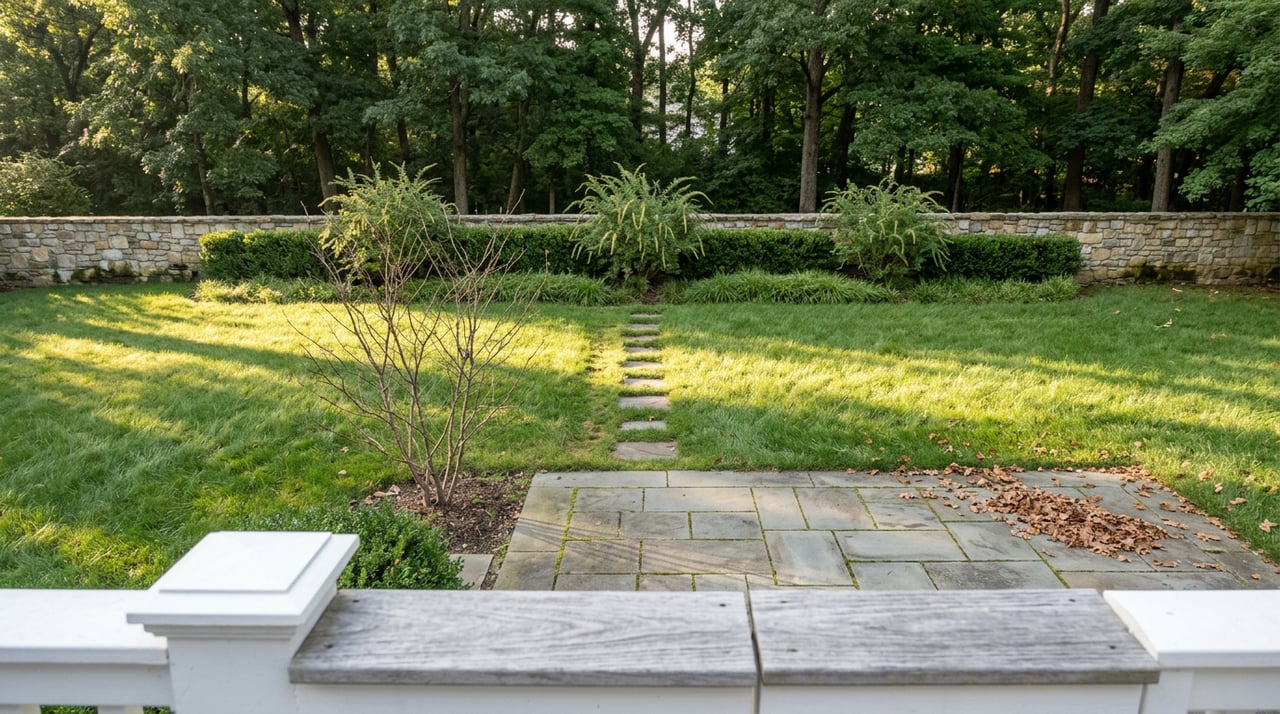
- Usable yard space, grading, privacy, and views influence buyer interest.
- River adjacency can create both premiums and risks. Flood zones and insurance costs must be factored into pricing.
- HOA fees and rules matter for townhomes and condos. Dues, reserves, and special assessments directly affect buyer affordability.
Market signals sellers watch
- Days on market, list-to-sale price ratios, and the number of competing listings shape your pricing strategy.
- Pending and active listings signal what buyers are seeing today. Expired listings show pricing thresholds the market rejected.
- Regional context supports decisions. For broad trends, national organizations like the National Association of Realtors publish helpful background, but pricing should always rely on local comps.
Valuation methods to use
You will often see two common paths to estimate your value. Each has a role, and both work best when used together.
Instant online estimate (AVM)
An Automated Valuation Model uses public records, recent sales, and sometimes MLS data to deliver a fast estimate.
- Strengths: quick, easy, and useful for a ballpark.
- Limitations: it cannot “see” interior condition, recent upgrades, unique lots, or very recent sales. Accuracy varies by neighborhood and property type, and results can lag current market shifts.
- Best use: a starting point, not a list price.
Custom Comparative Market Analysis (CMA)
A licensed agent prepares a CMA using up-to-the-minute MLS data, plus an on-site or virtual review of your home.
- What it includes: 3 to 6 relevant comps (active, pending, and closed), clear adjustments for differences, and a suggested price range with a recommended list price.
- Strategy guidance: estimated days on market, a go-to-market plan for your 90-day window, and suggestions to price for multiple-offer interest or steady exposure.
- Pre-list prep: practical fixes, staging notes, and a timeline. Expect delivery in 24 to 72 hours once the agent has your details and photos.
For Mount Vernon sellers targeting a near-term listing, a fresh CMA right before going live is essential.
Realistic Mount Vernon scenarios
These examples show how location and condition can move your price expectations. Use them as guidance, then request a custom CMA for your exact number.
Example A: Older single-family (1950s–1970s)
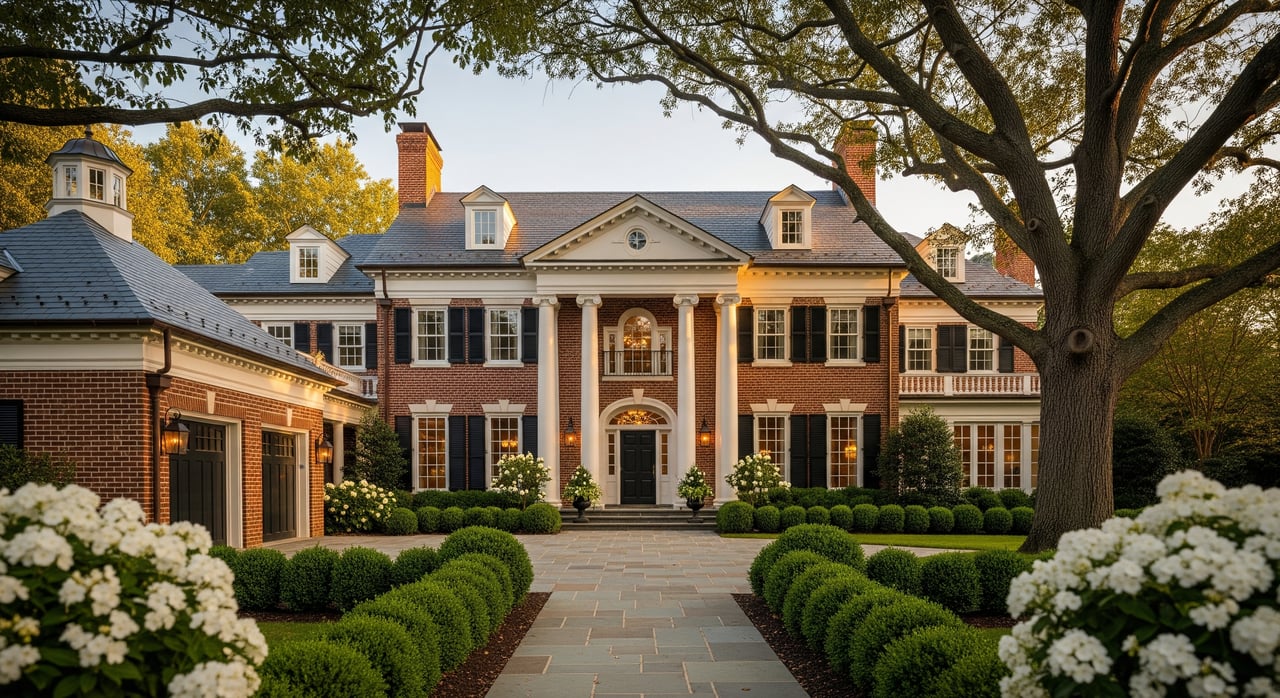
A classic ranch or Colonial near Route 1 may compete with similar detached homes within about 0.25 to 0.75 mile. A cosmetically original kitchen and bath can limit your buyer pool, while updated finishes and newer systems expand it. River-view lots can add appeal to certain buyers, but flood disclosures and insurance considerations will come into play.
Example B: Townhouse near commercial corridors
With townhomes, recent sales on the same or adjacent blocks usually set the standard. HOA dues, reserved parking or garage space, and interior condition are big differentiators. Two otherwise similar homes can diverge if one has better parking and move-in-ready finishes.
Example C: Condo or small multifamily
Financial health of the association often outweighs small interior differences. Buyers pay attention to reserves and any special assessments. Walkability to retail and transit nodes can be a plus for many shoppers.
Example D: Waterfront or river-adjacent
Water proximity brings added complexity. Flood zone designation, insurance costs, elevation or mitigation requirements, and shoreline rights need to be evaluated. A thorough CMA will account for insurability and ongoing maintenance considerations.
Prep checklist for your CMA
Being organized helps you get a sharper price recommendation and a faster turnaround. Share these items with your agent:
- Property address and parcel ID
- Current photos (front, back, main living areas, kitchen, primary bath, yard)
- Approximate finished living area and lot size
- Bedroom and bathroom count
- Year built, major renovations with dates, and whether permits were pulled
- Recent repairs and new systems (roof, HVAC, water heater)
- HOA or condo association name and monthly dues (if applicable)
- Known issues or disclosures (flooding history, foundation, pests)
- Desired listing timeline (for example, within 90 days)
- Best times for a virtual or on-site walkthrough
You can also reference the Fairfax County Department of Tax Administration for assessed values and the Fairfax County GIS mapping tools to confirm lot details or flood overlays. For flood zone confirmation and insurance planning, start with the FEMA Flood Map Service Center.
Timing your 90-day listing
Spring and early summer are often the busiest months in Northern Virginia, though low inventory can keep activity steady all year. If you plan to list within 90 days, align your pricing with very recent comps (30 to 90 days) and monitor competing listings weekly. Expect to refresh your CMA within one to two weeks of going live so your strategy tracks current demand.
Work with a local expert
Getting your price right in Mount Vernon takes neighborhood-level insight and up-to-the-minute MLS data. A boutique, hands-on team will help you translate comps, highlight upgrades that pay off, and navigate disclosures like flood zones or HOA rules. We pair local expertise with modern marketing tools to prepare a clear price range, a recommended list price, and a 90-day plan to hit the market with confidence.
Ready to learn what your Mount Vernon home is worth and how to price it right? Get a free, local CMA, staging and fix-it guidance, and a go-to-market plan tailored to your timeline. Connect with YAMO Premier Properties LLC to get started.
FAQs
How accurate are instant online home values in Mount Vernon?
- They provide a quick range, but they often miss interior condition, recent upgrades, unique lots, and very recent sales. Use them as a starting point and follow with a custom CMA for accuracy.
What comps does an agent use for a Mount Vernon property?
- Agents select nearby sales that match property type, size, beds and baths, age, condition, and location. Where micro-neighborhoods differ, they either adjust for those differences or narrow the radius.
Should I make repairs or list “as is” in Mount Vernon?
- Small cosmetic updates and basic repairs often deliver a strong return, while major structural or system items may be negotiated or required by financing. A CMA plus a walkthrough will help you decide what to fix.
How often should I update my CMA before listing?
- If you plan to list within 90 days, refresh your CMA just before you go live. In a fast market, many sellers update again within one to two weeks based on new comps and active competition.
How do flood zones affect Mount Vernon home value and sale?
- Flood zone placement can impact insurance costs and financing, which affects buyer demand and pricing. Verify your status using the FEMA maps and discuss insurability within your CMA strategy.