Getting ready to list your Mount Vernon home can feel overwhelming. You want strong offers, minimal surprises, and a smooth timeline. With the right plan, you can focus your effort where buyers notice most, catch issues before they derail a deal, and present a move-in ready home. This room-by-room checklist, tailored to Fairfax County expectations, shows you exactly what to do, what to document, and when to schedule it. Let’s dive in.
How to prioritize prep in Mount Vernon
Buyers in the Washington area expect clean, well-maintained homes with clear documentation. Start with safety and water issues, then move to high-visibility spaces like the kitchen, baths, and entry. InterNACHI emphasizes fixing active leaks, electrical hazards, and structural red flags first so you do not lose a buyer during inspections or appraisal. Their guidance on addressing structural and moisture issues supports this approach.
Local factors matter. Fairfax County flags the area as high radon potential, so having a test or mitigation documentation eases concerns. County guidance recommends testing for radon. Subterranean termites are common in Virginia, so a clean wood-destroying insects report and receipts for any treatments provide confidence. Learn more about termite risks and prevention.
Fairfax County also enforces building permit rules. Unpermitted work can slow or stop a sale if it comes up late. Check your permit history and be ready to disclose or remedy early using the county’s unpermitted construction guidance.
What to fix now vs. what to disclose
- Fix now: safety issues, active leaks, electrical hazards, roofing or structural concerns, and moisture in basements or crawlspaces. These are top deal-stoppers and should be addressed before listing. InterNACHI prioritizes these in pre-listing inspections. See guidance on addressing structural and moisture issues.
- Disclose fully: known defects, unpermitted work, and past issues that were repaired. Virginia requires sellers to provide the Residential Property Disclosure Statement. Review the law and complete the state form accurately. See the Virginia Residential Property Disclosure Act.
- Lead paint: if your home was built before 1978, federal law requires a lead disclosure and an EPA/HUD pamphlet to be provided to buyers. Review the federal lead-based paint disclosure rules.
- Permits: gather permit cards, final approvals, and contractor receipts. If you learn work was done without permits, consult Fairfax County’s guidance early. Check the county’s unpermitted construction overview.
Room-by-room checklist
Curb appeal and exterior
- Checklist
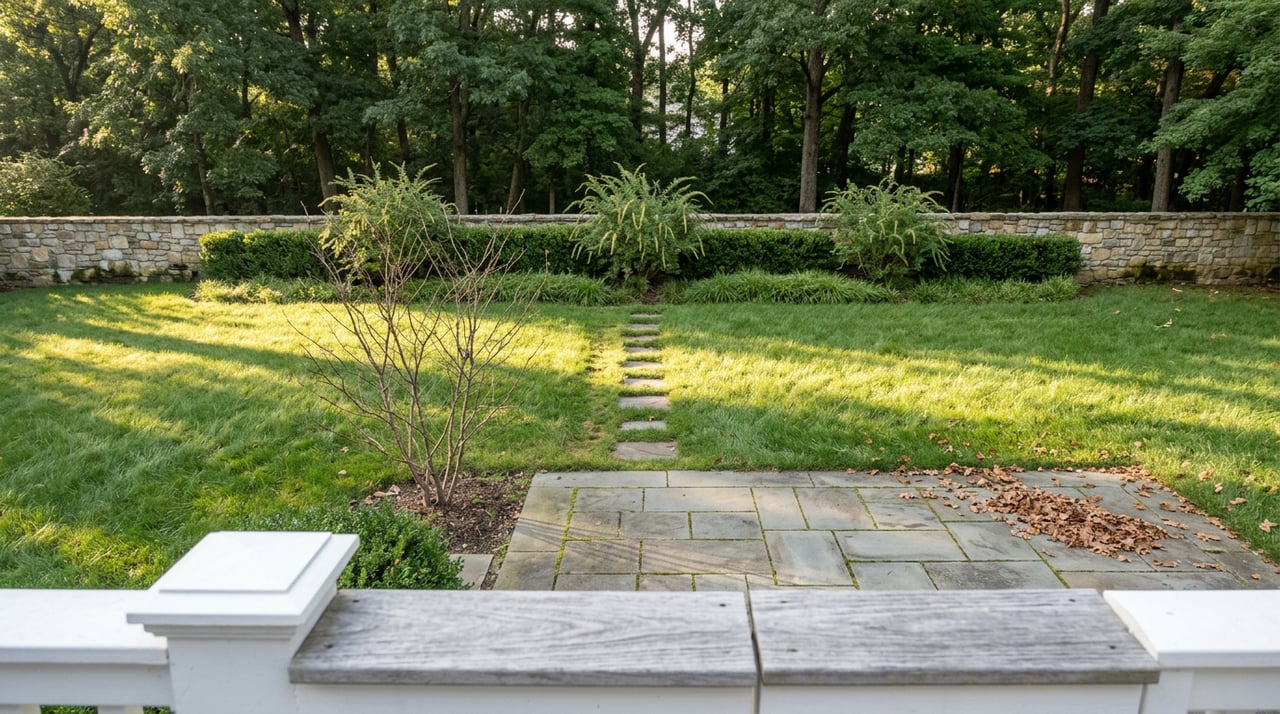
- Mow and edge, prune shrubs and low branches, add fresh mulch, and remove clutter.
- Power-wash siding, porch, steps, and walkways. Clean gutters and confirm downspouts move water away.
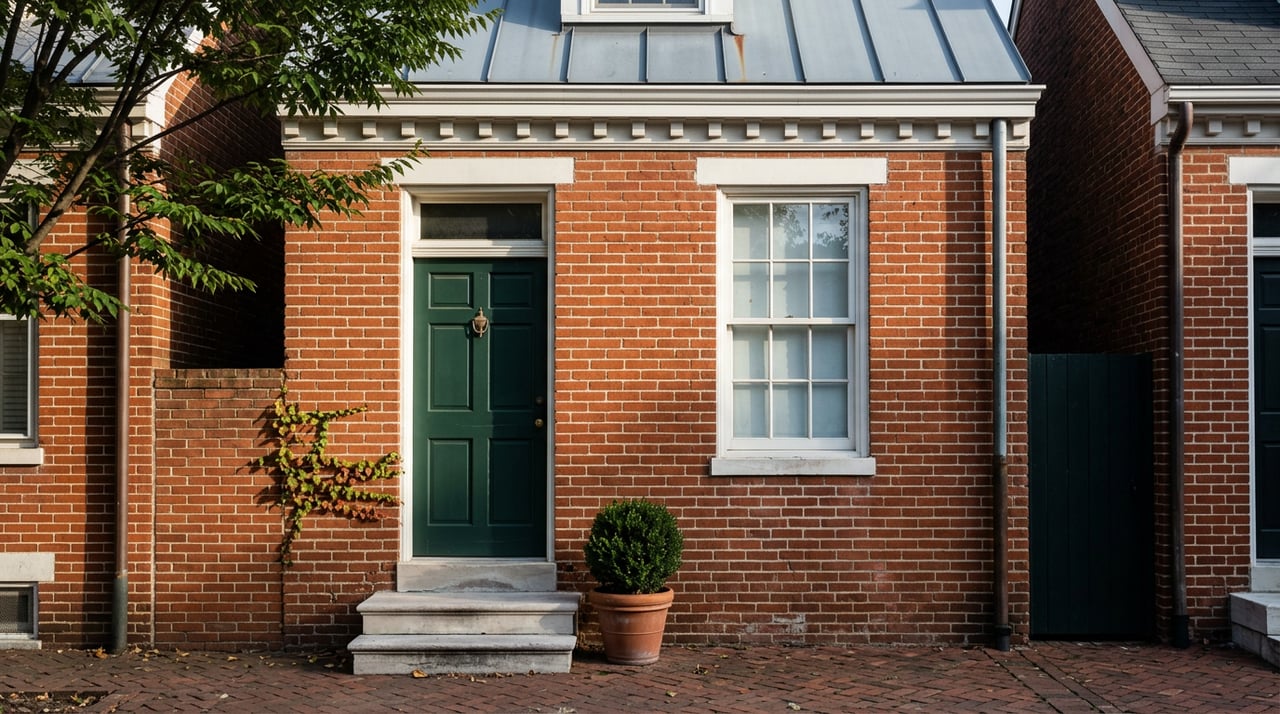
- Refresh the mailbox and house numbers. Update porch light and entry hardware if dated.
- Why it matters
- First impressions drive online clicks and in-person enthusiasm. A tidy exterior reduces perceived maintenance risk.
- Timing tip
- Book power-wash and gutter cleaning 1 to 2 weeks before photos. For cost planning, review typical cleaning service ranges.
Entry and foyer
- Checklist
- Declutter shoes, coats, and mail. Add a simple neutral rug and bright, warm bulbs.
- Touch up scuffs and trim. Ensure the door sweep and locks work smoothly.
- Why it matters
- Buyers decide how they feel about a home within seconds. A bright, clean entry sets a positive tone.
Living and family rooms
- Checklist
- Neutralize bold paint, patch nail holes, and replace burned-out bulbs.
- Secure loose handrails or mantel shelves and ensure windows open and latch.
- Remove oversized or personal items to open sight lines and show flow.
- Staging tip
- Arrange seating for conversation. The National Association of Realtors finds staging helps buyers visualize the space. See NAR’s staging insights.
Dining room
- Checklist
- Clear the table, center a simple runner or small arrangement, and level the chandelier.
- Consider a mirror to increase natural light for photos.
Kitchen
- Checklist
- Deep-clean appliances and degrease the hood. Recaulk and regrout where needed.
- Tighten or adjust cabinet hinges so doors align. Replace dated hardware or faucet for an affordable refresh.
- Repair drips and address any signs of prior leaks under the sink.
- Why it matters
- Kitchens often decide offers. Small upgrades and perfect cleanliness go a long way.
Bathrooms
- Checklist
- Fix running toilets or slow drains. Regrout and recaulk. Replace stained shower curtains or doors.
- Ensure the exhaust fan works and look for signs of past leaks.
- Why it matters
- Clean, bright baths signal low maintenance and move-in readiness.
Bedrooms
- Checklist
- Remove extra furniture to emphasize size. Use fresh, neutral bedding.
- Repair closet doors and confirm windows operate and lock.
- Why it matters
- Calm, clutter-free rooms photograph well and help buyers picture themselves at home.
Basement and crawlspace
- Checklist
- Look for efflorescence or water stains. Test sump pump function and document any waterproofing work.
- Repair or install a vapor barrier in crawlspaces and address musty odors.
- Why it matters
- Moisture issues often derail deals. InterNACHI prioritizes water intrusion fixes before listing. See guidance on moisture and structure.
Attic and energy points
- Checklist
- Confirm insulation is even and vents are clear. Replace missing baffles and seal around penetrations where safe to do so.
- Gather service records for HVAC; note any window or insulation upgrades.
- Why it matters
- Documentation of maintenance and energy-related improvements eases inspection and appraisal.
Garage, laundry, and storage
- Checklist
- Declutter and organize shelves. Ensure garage sensors and remotes work.
- Check laundry hookups for slow leaks and clean the dryer vent for safety.
Systems: electrical, HVAC, water heater
- Checklist
- Service the HVAC and save the receipt. Replace missing outlet covers and label the panel clearly.
- Check the water heater TPR valve and look for corrosion or leaks.
- Why it matters
- Clean service records and safe operation reassure buyers and lenders.
Inspections, tests, and paperwork
Ordering a few targeted inspections before you list lets you fix issues on your timeline and disclose confidently. A full pre-listing home inspection typically ranges around a few hundred dollars. See common home inspection costs.
- Pre-listing general home inspection: plan repairs or credits and decide what to disclose proactively.
- Wood-destroying insects inspection: common in Virginia. Keep any treatment records. Learn about termite risks.
- Radon test: Fairfax County recommends testing. Provide results or mitigation documentation. Review county radon guidance.
- Sewer scope: consider for older homes or properties with big trees or past backups. Addressing issues early avoids last-minute renegotiation.
- Roof or chimney inspection: if prior leaks or visible wear are present.
Documentation to compile for your listing packet:
- Signed Virginia Residential Property Disclosure Statement and any updates. See the state disclosure law.
- Permit records and final approvals for renovations. If any work lacks permits, consult county guidance. Review Fairfax County’s unpermitted work overview.
- Warranties, receipts, and service records for roof, HVAC, plumbing, electrical, termite treatments, and any radon mitigation.
- HOA documents, surveys or plats, and any well or septic records if applicable.
- For pre-1978 homes, the federal lead-based paint disclosure and EPA/HUD pamphlet. See the federal requirement.
Staging, photos, and launch
Once repairs and deep cleaning are complete, stage your highest-impact rooms: living area, kitchen, and primary bedroom. NAR research shows staging helps buyers visualize living in the home and can reduce time on market. Explore NAR’s findings on staging.
Schedule professional photography after staging. Strong photos and accurate floor plans increase online engagement and showing activity. See how quality visuals boost listing performance.
Sample 6 to 12 week prep timeline
- Weeks 8 to 12: Gather permits, warranties, and receipts. Order a pre-listing inspection and targeted tests. Get bids and schedule repairs if needed.
- Weeks 4 to 6: Complete high-impact fixes, touch up paint and flooring, and finalize any moisture or system repairs.
- Weeks 1 to 2: Stage, clean, and schedule professional photos and launch. Keep your documentation ready for buyer agents.
Common buyer red flags to avoid
- Unpermitted renovations or missing permit records for visible work. Review Fairfax County guidance.
- Signs of active moisture or past water damage in basements or crawlspaces. See moisture and structure guidance.
- Evidence of termites without treatment documentation. Learn about termite prevention.
- High radon readings without mitigation documentation. Review county radon details.
- Deferred maintenance like peeling paint, broken windows, or inoperable systems that make the price feel higher than condition.
A thoughtful plan makes your Mount Vernon listing shine. Focus on safety and moisture first, then polish the spaces buyers love, and back it all up with clear documentation. If you want a customized plan, local vendor referrals, and a full marketing launch across Bright MLS and major portals, our boutique team is here to help. Connect with YAMO Premier Properties LLC to get started and Get Your Free Market Report.
FAQs
What inspections should Mount Vernon sellers order before listing?
- A general home inspection, a wood-destroying insects inspection, a radon test, and a sewer scope for older homes help catch issues early and support clean disclosures.
What disclosures are required for Virginia home sellers?
- You must provide the Virginia Residential Property Disclosure Statement and, for pre-1978 homes, the federal lead-based paint disclosure and pamphlet.
How important is staging in the DC area market?
- Staging helps buyers visualize living in the home and can reduce time on market, especially in living rooms, primary bedrooms, and kitchens.
How do I handle unpermitted work discovered before selling?
- Gather details, consult Fairfax County’s guidance on unpermitted construction, and disclose the situation; your agent can help you weigh remediation versus pricing.
Why do buyers in Fairfax County ask about radon and termites?
- Fairfax County has high radon potential and subterranean termites are common in Virginia, so buyers and lenders often want recent tests and treatment documentation.