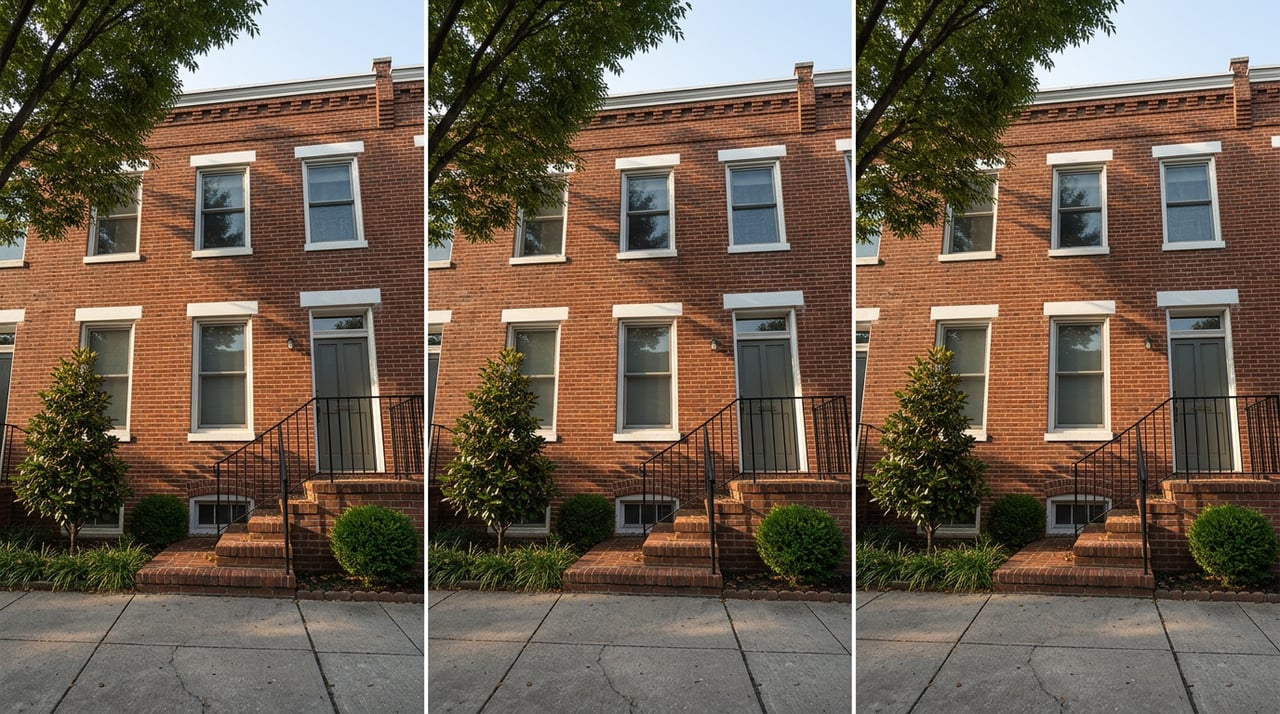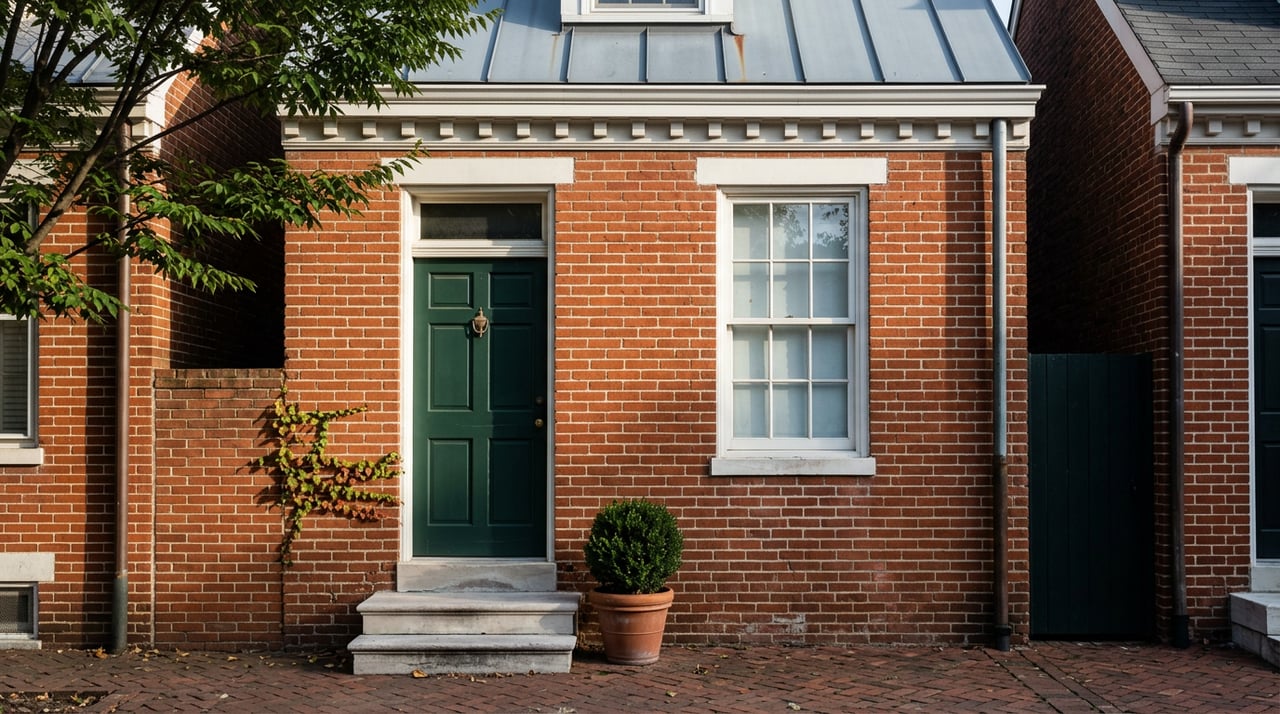
Renting out your Mount Vernon home can look like an easy next step, but the details matter fast. Once you move from homeowner to landlord, you need to think about pricing, lease rules, property condition, fair housing compliance, and local registration requirements. The good news is that with the right plan, you can turn your home into a rental that is both marketable and easier to manage. Let’s dive in.
Start With a Realistic Rent Strategy
One of the biggest mistakes new landlords make is picking a rent number based only on what they hope to earn. In Mount Vernon, rental pricing varies by property type, bedroom count, and layout, so broad online averages should be treated as directional rather than final.
Current market snapshots show that Mount Vernon rents can vary quite a bit. Zillow reports an average rent of about $2,243 per month, with bedroom averages around $1,750 for a one-bedroom, $2,100 for a two-bedroom, $2,650 for a three-bedroom, and $3,725 for a four-bedroom. Trulia’s May 2026 data shows similar ranges, with house-specific rents trending higher in some categories.
That means your best pricing approach is to compare your home to similar rentals, not just the neighborhood as a whole. A three-bedroom townhouse should not be priced the same way as a three-bedroom detached house or an apartment-style unit. Features like parking, updates, outdoor space, and condition can also affect where your property fits.
Know Your Mount Vernon Rental Competition
Zillow currently shows 67 rentals available in Mount Vernon. That gives you a useful reminder that your home will compete with other listings for attention, showings, and qualified applicants.
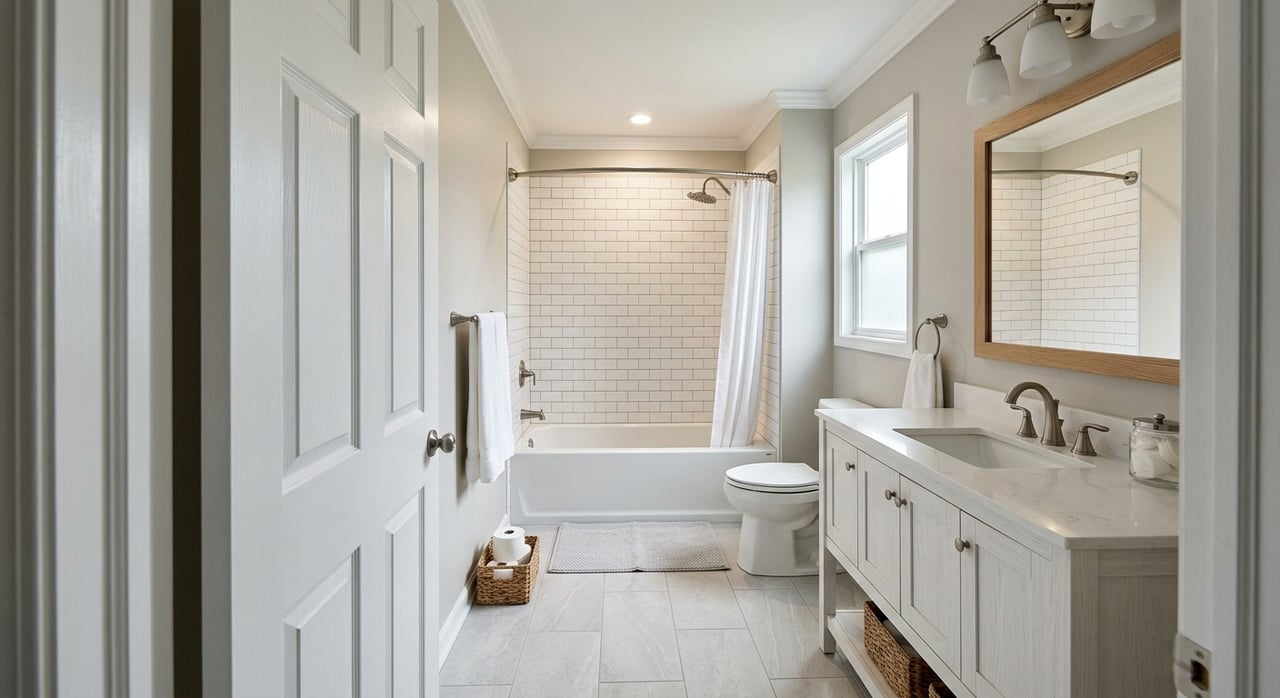
To stand out, your rental needs more than a decent price. It also needs strong presentation, clear terms, and a condition that supports the rent you are asking. Clean finishes, working systems, and thoughtful marketing can make a real difference when renters are comparing options.
Prepare the Home for Lease
Before you list the property, make sure the home is ready for a tenant to move in and maintain comfortably. Virginia law requires landlords to keep the premises in a fit and habitable condition and to maintain supplied plumbing, electrical, heating, ventilation, air-conditioning, and other facilities.
This step is not just about appearance. It is about reducing future problems and meeting your landlord responsibilities from day one. If something is already borderline before move-in, it may become a repair issue quickly once the lease starts.
Focus on Core Systems First
Take a close look at the systems tenants rely on every day. If your HVAC, plumbing, or electrical setup needs work, handle it before marketing the property.
Virginia law also requires landlords to address mold promptly. If you have had moisture issues in a basement, bathroom, laundry area, or around windows, it is smart to investigate and correct the source before a tenant takes possession.
Handle Safety and Code Basics
Landlords must comply with applicable building and housing codes. While every home is different, this is your cue to make sure basic items are functional and up to standard before the property goes live.
A pre-listing walkthrough can help you spot deferred maintenance, worn finishes, or issues that may affect tenant experience. Fixing these items early usually costs less than addressing them in the middle of a lease.
Use a Written Lease in Virginia
If you are converting your home into a rental, a written lease is essential. Virginia requires landlords to offer a written rental agreement and provide the state statement of tenant rights and responsibilities.
If no written lease is offered, Virginia law creates a 12-month statutory tenancy that is not subject to automatic renewal. In Fairfax County, the signed lease and the tenant-rights statement must be given to the tenant, and that statement is required before a landlord can file a lease-violation lawsuit.
In simple terms, do not rely on verbal agreements or casual arrangements. A clear written lease helps set expectations, supports compliance, and gives both you and the tenant a shared reference point.
Understand Security Deposit Rules
Security deposits are one of the most common areas where landlords make avoidable mistakes. In Virginia, the security deposit cannot exceed two months’ rent.
After move-out, the deposit and any deductions must be itemized within 45 days. The deposit can be applied only to accrued rent, tenant-caused damage beyond ordinary wear and tear, or other lease-authorized charges.
That makes documentation important from the start. A detailed move-in condition record, photos, and clear lease language can help you handle the deposit correctly at the end of the tenancy.
Follow Access and Maintenance Rules
Owning a rental does not mean unlimited access once a tenant moves in. Tenants must allow reasonable access for maintenance and inspection, but Fairfax County’s tenant-rights statement says that unless there is an emergency, the landlord must give 72 hours’ notice for maintenance.
This matters for routine repairs, inspections, and vendor visits. Setting a professional communication process early can help avoid confusion and keep the landlord-tenant relationship smoother.
Screen Applicants Fairly and Consistently
Tenant screening should be objective, consistent, and focused on lawful rental criteria. Fairfax fair housing guidance says landlords may ask about income and tenancy-related rules, but screening criteria must be uniform, objective, and nondiscriminatory.
Virginia and Fairfax County also protect source of funds. That means voucher status cannot be used as a blanket reason to refuse an applicant.
Keep Screening Standards Neutral
The safest approach is to define your screening standards before you start showing the home. Apply the same standards to every applicant, and make sure those standards relate directly to tenancy.
Examples of neutral, tenancy-related considerations may include documented income, rental history, or other lawful application requirements you use consistently. What matters most is consistency and fairness across all applicants.
Check BPOL and Local Registration Requirements
Many first-time landlords are surprised to learn that renting out a home may trigger local business registration obligations. Fairfax County says all business owners, including home-based businesses, must register for BPOL within 75 days and renew by March 1.
The amount owed depends on gross receipts. Fairfax County states that receipts of $10,000 or less owe no fee, receipts from $10,001 to $50,000 owe $30, and receipts from $50,001 to $100,000 owe $50.
Using Zillow’s average Mount Vernon rent of $2,243 per month as a rough example, annual gross receipts would be about $26,900. That would fall in the $30 BPOL fee band based on the county’s schedule.
Understand the Tax Picture
Your rental income is only part of the ownership equation. Fairfax County’s 2026 base real-estate tax rate is $1.12 per $100 of assessed value, and parcel-specific district or service charges can also apply.
That does not mean your tax bill changes simply because you rent out the property, but it does mean you should account for local carrying costs when estimating cash flow. A realistic rental plan should include rent, vacancy risk, repairs, maintenance, and local tax obligations.
Be Careful With Basement Units and Second Kitchens
Some owners consider converting a basement or lower level into a separate rental space. In Fairfax County, that idea needs careful review.
The county says single-family-zoned properties generally allow only one dwelling per lot unless an approved accessory living unit exists. A second kitchen alone does not automatically create a separate dwelling.
This is an area where assumptions can create expensive problems. If you are thinking about carving out a separate unit, check the property setup and local rules before marketing it as an independent rental.
Short-Term Rental Plans Follow Different Rules
If you are debating between a traditional lease and an Airbnb-style setup, do not assume the rules are the same. In Fairfax County, occupancy under 30 days is treated as short-term lodging.
That type of use requires a $200 two-year zoning permit, monthly transient occupancy tax filings, and BPOL once annual gross receipts exceed $10,000. If your goal is stable, lower-turnover income, a standard lease may be simpler to manage than a short-term lodging model.
Decide Between Self-Management and Professional Help
Some homeowners do well managing their own rentals. Others quickly realize that leasing, maintenance coordination, rent collection, documentation, and compliance take more time than expected.
Fairfax County’s landlord guidance notes that landlords remain responsible for screening tenants, collecting rent, managing the unit, and maintaining it, though they may hire a property management agent to represent them. Hiring help can reduce your workload, but it does not remove your legal responsibilities as the owner.
When Self-Management May Work
Self-management can be a practical fit if you:
- Live locally
- Are organized and responsive
- Feel comfortable handling leases and documentation
- Can coordinate repairs and maintenance promptly
- Are prepared to follow fair housing and local compliance rules
When Professional Support May Help
You may want brokerage or management support if you:
- Live out of the area
- Want help with rental marketing and leasing
- Prefer to delegate showings and tenant communication
- Need support coordinating maintenance
- Want a more hands-on guide through compliance-heavy steps
For many owners, the real question is not whether you can do it alone. It is whether doing it alone supports your time, goals, and risk tolerance.
Build a Plan Before You List
Turning your Mount Vernon home into a rental can create flexibility, income potential, and a path to long-term ownership goals. But success usually comes from planning ahead, not improvising after the sign goes up.
Before you market the home, make sure you have a pricing strategy, a written lease, a fair screening process, a maintenance plan, and a clear understanding of Fairfax County requirements. When those pieces are in place, you are in a much stronger position to launch the rental with confidence.
If you are weighing whether to rent, how to price your home, or how to market it effectively in the Mount Vernon area, YAMO Premier Properties LLC can help you take the next step with practical local guidance.
FAQs
What rent can you expect for a Mount Vernon rental home?
- Rent depends on property type, bedroom count, and condition. Market snapshots for Mount Vernon show broad averages, but a house, townhouse, or apartment-style unit should be compared to similar rentals before setting a final price.
What lease documents do Virginia landlords need for a Mount Vernon rental?
- Virginia landlords must offer a written rental agreement and provide the state statement of tenant rights and responsibilities. In Fairfax County, the signed lease and tenant-rights statement must be given to the tenant.
How much security deposit can you charge for a Fairfax rental?
- Virginia law caps the security deposit at no more than two months’ rent, and any deductions after move-out must be itemized within 45 days.
What notice do landlords give before maintenance in Fairfax County?
- Unless there is an emergency, Fairfax County’s tenant-rights statement says landlords should give 72 hours’ notice for maintenance access.
Do Mount Vernon landlords need a Fairfax County BPOL registration?
- Fairfax County says business owners, including home-based businesses, must register for BPOL within 75 days and renew by March 1. Whether a fee is due depends on gross receipts.
Can you rent out a basement as a separate unit in Mount Vernon?
- Not automatically. Fairfax County says single-family-zoned properties generally allow only one dwelling per lot unless an approved accessory living unit exists, and adding a second kitchen alone does not create a separate lawful dwelling.
Are short-term rentals treated differently in Fairfax County?
- Yes. Occupancy under 30 days is treated as short-term lodging and requires different zoning and tax compliance steps than a standard residential lease.