Trying to choose between a townhome and a house in Mount Vernon? You are not alone. This part of Fairfax County offers a wide mix of housing, so the right fit often depends on how you live day to day, how much space you want, and where in Mount Vernon you hope to land. In this guide, you will learn how home type, location, parking, and upkeep can shape your decision so you can move forward with more confidence. Let’s dive in.
Why Mount Vernon gives you options
Mount Vernon District is not a one-style housing market. Fairfax County describes it as a large district with varied housing, parks, trails, transportation options, and community connections. In 2024, the county estimated 128,742 residents and 48,923 housing units in the district.
The local housing mix helps explain why this decision can feel so specific. Fairfax County reports that about 46% of the housing stock is detached and 18.62% is townhouse. That means you can find both options here, but your experience may look very different depending on the exact area you choose.
The district also covers a broad set of communities, including Belle Haven, New Alexandria, Huntington, Groveton, Hybla Valley, Fort Hunt, Mount Vernon, Fort Belvoir, Mason Neck, Lorton, and Newington. So even if two homes have similar square footage, the surrounding setting can change the tradeoff in a big way.
Compare a townhome and house
If you are deciding between a townhome and a detached house, start with your daily routine. The best choice is usually the one that supports how you want to live, park, commute, and maintain your home over time.
Townhome advantages in Mount Vernon
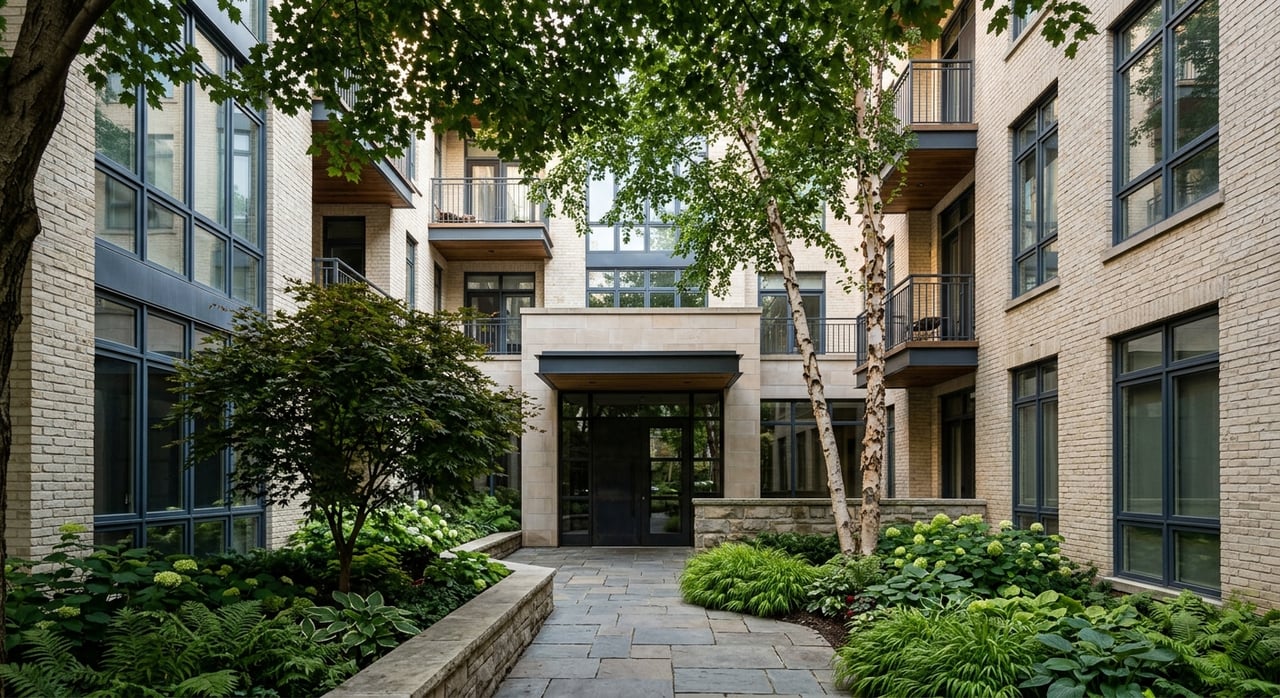
A townhome can make sense if you want a more compact setup and less exterior work. County parcel samples show attached homes with much smaller land footprints than detached homes, including examples of 483 square feet in The Highlands, 679 square feet in Lorton, and 1,920 square feet in Hybla Valley.
That smaller footprint often means less yard work and less private outdoor space to maintain. For many buyers, that is a plus. If you want homeownership without taking on a large lot, a townhome may feel more manageable.
Townhomes can also align well with buyers who care about commute efficiency. In corridor-oriented parts of Mount Vernon, especially near Route 1 and major transit connections, attached housing may offer a practical balance between space and convenience.
House advantages in Mount Vernon
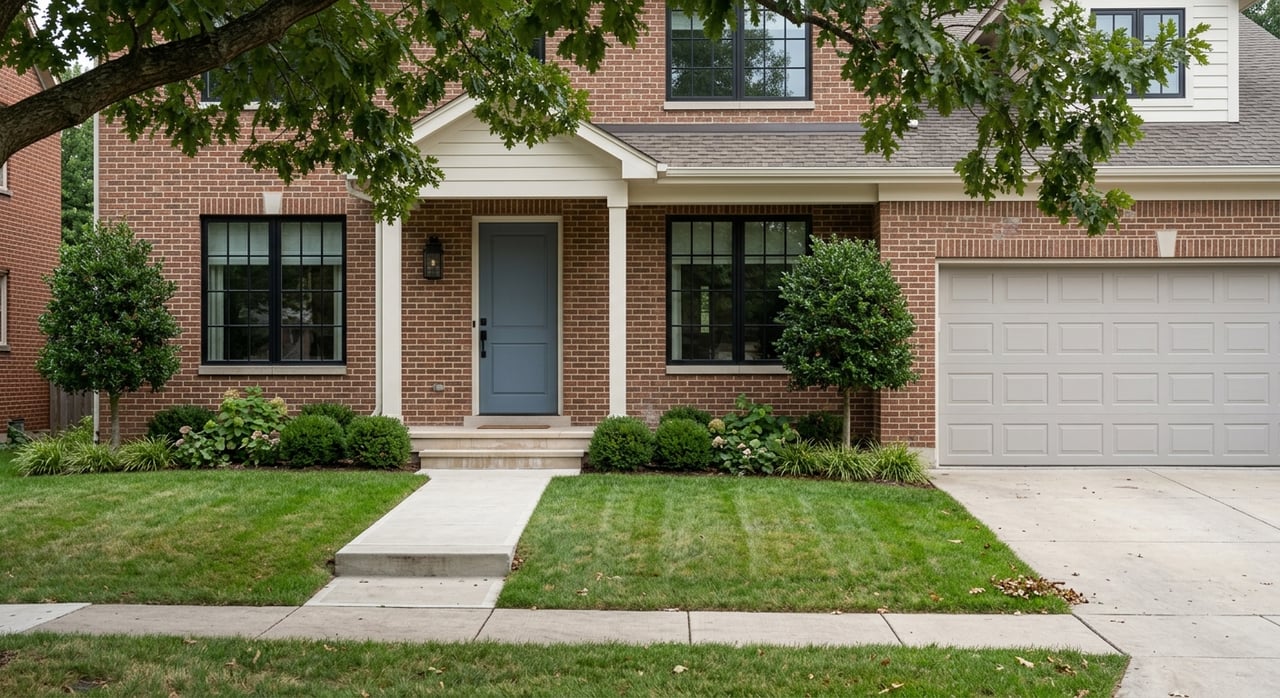
A detached house usually offers more private outdoor space and more flexibility in how you use it. County parcel samples for detached homes include 7,106 square feet in Huntington, 8,400 and 9,600 square feet in Belle Haven, and 35,625 square feet on Mount Vernon Highway.
That extra land can be helpful if you want room for outdoor living, more separation from neighbors, or flexibility for future needs. A house may also be a better match if you expect to stay put for a long time and want more control over the property.
The tradeoff is upkeep. More yard and more exterior surfaces usually mean more maintenance. If you like the idea of space but not the work that can come with it, that is worth weighing carefully before you decide.
Think beyond home type
One of the biggest mistakes buyers make in Mount Vernon is treating the district like one uniform market. It is not. The better question is often not just “townhome or house?” but “where in Mount Vernon do I want to live?”
River and parkway areas
Mount Vernon’s eastern edge runs along the Potomac River, and the George Washington Memorial Parkway follows that side of the district. Fairfax County also highlights the Mount Vernon Trail, an 18-mile paved multi-use trail that connects Mount Vernon to Theodore Roosevelt Island.
If you enjoy walking, biking, or access to scenic outdoor areas, homes closer to the river and parkway may appeal to you. In those settings, a detached house may feel especially attractive if privacy and outdoor space are high on your list.
Route 1 and transit areas
Mount Vernon is also shaped by major transportation routes. The district includes access to I-95, I-495, I-395, and Richmond Highway, along with VRE, Metrorail, Fairfax Connector, and REX service. Fairfax County says the district is served by two Metro stations, one VRE station, and multiple bus lines.
For buyers who care about commute convenience, a townhome near Route 1 or transit corridors may be the easier fit. Fairfax County also notes that the Richmond Highway BRT project is expected to launch by late 2031, running from Huntington Metro to Fort Belvoir.
Parking matters more than many buyers expect
Parking is one of those details that can feel minor during an online search, then become a major quality-of-life issue after move-in. In Mount Vernon, it is smart to look at parking early, especially if you are comparing attached and detached homes.
Fairfax County zoning requires 2 off-street parking spaces per single-family detached unit. For single-family attached units, the requirement is 2.7 spaces per unit, with 0.2 of that in common property for visitor or shared use.
In revitalization areas, the attached-home rate is 1.8 spaces per unit. In transit-station areas, it drops to 1.3 spaces per unit. County staff also note that attached-home parking can be met through private garage and driveway spaces, with some common-area spaces reserved for visitors or shared use.
For you, the takeaway is simple. If you have multiple drivers, frequent guests, or need easy everyday parking, review the actual parking setup and not just the home itself.
Upkeep, privacy, and outdoor space
Your maintenance tolerance should play a big role in this decision. Some buyers love the idea of a larger lot until they picture the ongoing work that comes with it. Others know from the start that they want less yard to manage.
When lower upkeep is the priority
A townhome often works well if you want to simplify your routine. With a smaller land footprint, you may spend less time on yard care and exterior maintenance. That can be especially appealing if your schedule is busy or if you simply prefer a more compact lifestyle.
This is one reason townhomes often fit downsizers and low-maintenance buyers. You still get more separation than many condo layouts, but without the same level of lot maintenance often tied to a detached home.
When space and privacy matter most
A detached house often works better when private outdoor space is a top priority. The larger sample parcels in Mount Vernon suggest more room for outdoor use and more distance from neighboring homes.
If you are planning for multiple vehicles, pets, or long-term flexibility, a house may offer the better setup. You will likely take on more maintenance, but for many buyers that extra room is worth it.
Which option fits your lifestyle?
A simple lifestyle check can help you narrow the choice faster than square footage alone.
A townhome may fit better if you:
- Want less yard work
- Prefer a smaller footprint
- Care a lot about commute convenience
- Like being near Route 1, Metro access, or bus corridors
- Want a homeownership option that may feel more manageable day to day
A detached house may fit better if you:
- Want more private outdoor space
- Need room for multiple cars or long-term flexibility
- Prefer more separation from neighbors
- Value river, parkway, or trail-oriented settings
- Are comfortable taking on more exterior upkeep
What local numbers can tell you
Fairfax County reports a median owned-home value of $665,569 in Mount Vernon District and a median owned-home size of 1,518 square feet. Those numbers give you a broad snapshot, but they do not tell the whole story.
Because the district includes many subareas with different housing patterns, your best move is to compare home type and location together. A townhome in one part of Mount Vernon may support your lifestyle better than a house in another, even if the price points are similar.
The best choice is often block by block
In Mount Vernon, the decision is rarely just about attached versus detached. It is about whether the home’s location, lot size, parking setup, and maintenance demands match your priorities.
If scenic access, trails, and privacy matter most, a detached home may rise to the top. If convenience, a smaller footprint, and easier upkeep matter more, a townhome may be the smarter fit.
The key is to look at the exact block, not just the property type. If you want help comparing Mount Vernon townhomes and houses based on your commute, lifestyle, and budget, reach out to YAMO Premier Properties LLC for local guidance that keeps your search focused and practical.
FAQs
What is the difference between a townhome and house in Mount Vernon?
- In Mount Vernon, a townhome usually comes with a smaller land footprint and lower upkeep, while a detached house usually offers more private outdoor space and more maintenance responsibility.
Is a townhome a good choice for commuters in Mount Vernon?
- It can be, especially if you want access to Route 1, I-95, I-395, Metro, VRE, or bus corridors that serve the district.
Are detached homes more common than townhomes in Mount Vernon?
- Yes. Fairfax County reports that about 46% of the district’s housing stock is detached, while 18.62% is townhouse.
How important is parking when buying in Mount Vernon?
- Parking is very important because requirements differ by home type and area, and the real-life setup for garages, driveways, and visitor spaces can affect daily convenience.
Should I choose a home near the river or near Route 1 in Mount Vernon?
- That depends on your priorities. River and parkway areas may appeal more if you value scenic access and trails, while Route 1 and transit-oriented areas may be a better fit if commute convenience is your main goal.